

Why commercial success starts with Grounds Teams confidence
06/07/26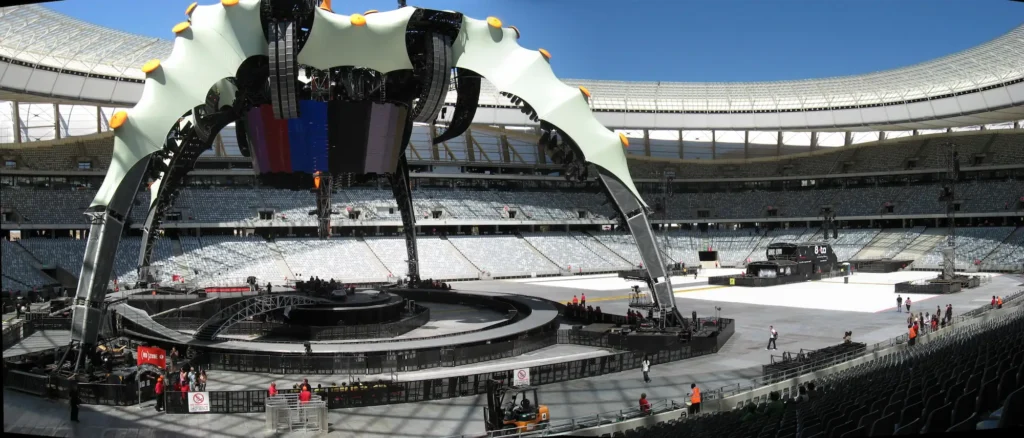
While the commercial team may focus on maximising the stadium’s event calendar and securing concerts and other non-sporting events, the grounds team ultimately determines what can be accommodated without compromising the playing surface.
The quality and reliability of the playing surface are central to a stadium’s reputation. Whether a venue uses natural grass, a hybrid system, or a synthetic surface, maintaining field performance and protecting the underlying infrastructure are critical considerations when planning events. If the pitch is damaged or fails to recover properly, it can affect fixtures, attract negative attention, and create challenges across the organisation.
For this reason, decisions around concerts and other non-sporting events often depend on the confidence of the grounds team. When they trust the systems in place to protect the pitch, they are more comfortable accommodating additional events. That confidence gives stadium operators greater flexibility and creates more opportunities to maximise the venue’s event calendar.
Table of Contents
- The grounds teams role in stadium operations
- Why pitch recovery determines event scheduling
- When operational concerns limit commercial plans
- How surface protection builds trust
- Aligning grounds and commercial teams
- FAQs
The Grounds Teams role in stadium operations
Grounds teams are responsible for one of the stadium’s most valuable assets: the playing surface. Whether managing natural grass, hybrid systems, or synthetic fields, their role is to maintain surface quality, safety, and performance throughout the year. They manage turf health, irrigation, nutrition, and maintenance programmes while also monitoring the condition of the pitch profile and sub-base systems that support surface performance. Together, these elements ensure the pitch consistently meets professional standards throughout the season.
They understand the condition and resilience of the surface better than anyone, and their expertise plays a vital role in event planning. Concerts and other non-sporting events can place significant stress on the pitch through heavy staging, production vehicles, and large numbers of spectators.
When an event is proposed, the grounds team assesses the likely impact on the playing surface and its ability to recover afterwards. Their recommendations help inform operational decisions and can play a major role in determining whether an event can be accommodated without compromising pitch quality.
Why pitch recovery determines event scheduling
Every event on the pitch must fit around fixtures and maintenance programmes. If the surface does not recover in time for the next match, the consequences can be significant.
Delayed recovery can lead to:
- Reduced playing quality
- Safety concerns for athletes
- Complaints from teams or governing bodies
- Negative media attention
Confidence in pitch recovery is therefore a key factor in event scheduling. Grounds teams need to understand not only the immediate impact of an event, but also how quickly and reliably the surface can return to match-ready condition.
When grounds teams are confident in the pitch’s ability to recover, stadium operators have greater flexibility to accommodate concerts and other non-sporting events. Where that confidence is lacking, longer recovery periods may be required, reducing the number of events the venue can realistically host.
When operational concerns limit commercial plans
Commercial teams focus on maximising venue utilisation. Additional events generate revenue, strengthen relationships with promoters, and help venues make the most of their facilities.
Operational considerations, however, can sometimes limit those opportunities.
If the pitch has struggled to recover after previous events, grounds teams may be cautious about accommodating new proposals. Even a successful concert can raise concerns if significant repair work or extended recovery periods are required afterwards.
This requires careful planning across multiple teams. Commercial teams work to maximise venue utilisation and create new event opportunities, while grounds teams provide the expertise needed to protect the long-term quality and performance of the pitch.
By working together, they can identify opportunities to host additional events without compromising playing standards. Achieving that balance is a key part of successful stadium operations.
How surface protection builds trust
Reliable turf protection helps distribute weight across the surface, reducing pressure on the rootzone and minimising soil compaction.
A high-quality protection system delivers benefits for both short and extended event periods. During shorter events, it helps minimise stress on the playing surface and supports a quicker return to event-ready or match-ready condition. During longer event seasons, where turf deterioration may be unavoidable on natural grass pitches, the system plays a critical role in protecting the underlying rootzone, sub-base, drainage infrastructure, or other field support systems. This helps preserve the integrity of the surface and creates the conditions needed for successful restoration once the event season has ended.
When these systems consistently deliver reliable results, grounds teams gain greater confidence in the pitch’s ability to withstand event activity and recover afterwards. That confidence supports better collaboration across the stadium operation and makes event planning more predictable.
With trust in the protection system, teams can focus less on potential pitch damage and more on delivering successful events while maintaining playing standards.
Aligning grounds and commercial teams
Successful stadium operations depend on commercial, operational, and grounds teams working together towards a common goal. Commercial teams bring expertise in delivering concerts and other non-sporting events, while grounds teams ensure the pitch remains healthy and ready for fixtures.
Reliable protection systems help align these priorities. When grounds teams have confidence in the protection measures in place, they can more accurately assess pitch recovery and support additional event opportunities. In turn, commercial and operations teams gain greater certainty when planning and scheduling events.
Over time, this collaborative approach helps stadiums maximise venue utilisation, host more events, and maintain the high playing standards expected by teams, athletes, and supporters.
FAQs
Why are grounds teams important in stadium event planning?
Grounds teams manage the playing surface and understand how concerts and other non-sporting events may affect pitch performance and recovery. Their expertise helps stadium operators assess whether events can be accommodated without compromising playing standards.
How does pitch recovery affect event scheduling?
Every event must fit around the stadium’s fixture schedule and maintenance requirements. If sufficient recovery time is not available before the next match, additional events may not be scheduled. Reliable pitch recovery gives stadium operators greater flexibility when planning events.
What is turf protection for events?
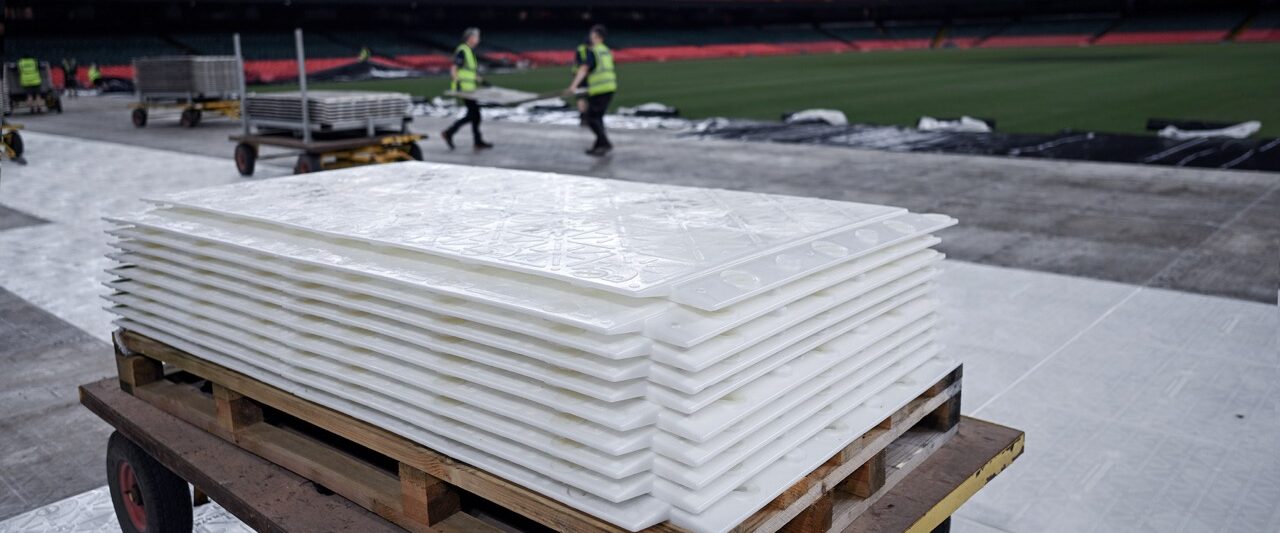
Turf protection systems are specialised flooring panels used during concerts and large events. They help distribute loads across the surface, reducing stress on the pitch and protecting the underlying rootzone and sub-base.
How do stadium flooring systems help grounds teams?
Stadium flooring systems serve two important purposes. First, they help protect the playing surface during events, supporting faster recovery or restoration afterwards. Second, they protect the underlying field structure, including rootzones, drainage systems, shock pads, and sub-base layers, from compaction and damage caused by heavy loads and foot traffic. This is important for both natural grass and synthetic playing surfaces. This helps preserve the foundations of the pitch and supports successful re-establishment when the venue returns to sporting use.
Why does grounds team’s confidence affect commercial decisions?
When grounds teams have confidence in a pitch protection system and the surface’s ability to recover, they can provide greater certainty around event impacts and recovery timelines. This helps commercial and operations teams plan events with confidence while maintaining pitch quality.
MORE OF OUR LATEST NEWS

At first glance, a surface protection system might seem to have done its job: th...
Whether approving new events, expanding concert programmes, or increasing non-ma...
A successful concert, exhibition or sporting fixture is remembered for the atmos...