

The pitch is more than just the turf: Why protecting the subbase matters
20/07/26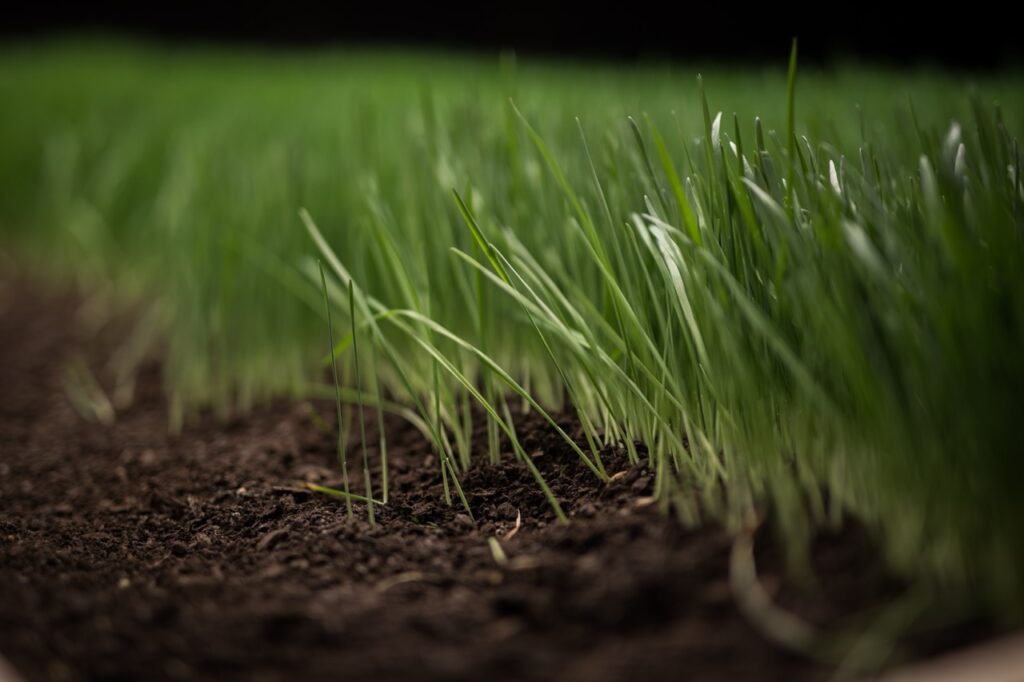
When stadiums look to host more concerts and large-scale events, protecting the pitch becomes a critical consideration. However, where surface protection systems remain in place for weeks or even months, preserving the existing turf is rarely realistic. Grounds teams understand that without sufficient light and airflow, the grass will almost certainly require replacement.
What matters most in these situations is the condition of the infrastructure beneath the turf. The subbase provides the stability and drainage that underpin the entire playing surface and create the conditions needed for successful pitch reinstatement. If this foundation is damaged by heavy equipment, vehicles or concentrated loads, restoring the pitch becomes far more complex, costly and time-consuming than simply replacing the grass.
This article explains why protecting the subbase is essential, how effective surface protection helps minimise damage during major events, and why safeguarding the foundation beneath the pitch leads to a faster and more predictable return to play.
Table of Contents
- Why the pitch is more than just the turf
- The hidden importance of the subbase
- What happens when turf is covered for long periods?
- How Terraplas protects the foundation beneath
- Planning for successful pitch recovery
- Why stadiums choose Terraplas
- FAQs
Why the pitch is more than just the turf
Most people associate protecting a stadium pitch with preserving the grass. A healthy playing surface is essential for player safety, performance and presentation. However, at multi-purpose venues hosting extended event schedules, preserving the existing turf is not always the primary objective.
The subbase is the built foundation that supports the entire playing surface, providing stability, drainage, and the right environment for new turf to grow quickly after events. By protecting this foundation, new turf can root, grow, and perform at its best.
The hidden importance of the subbase
Beneath every stadium pitch is an engineered foundation comprising the rootzone and subbase. Together these layers provide structural stability, manage drainage and create the conditions required for healthy turf establishment.
During major events, heavy equipment, staging, cranes, forklifts, and large crowds place significant pressure on the pitch. Without protection you can rely on, these loads can compact the layers under the turf.
Compacted subbases create multiple challenges
Compaction can reduce drainage performance, restrict root development, create inconsistencies in the playing surface, extend reinstatement programmes and increase long-term maintenance costs.
Replacing turf is something grounds teams can plan for and manage, but fixing damage to the subbase is much more complicated, costly, and disruptive.
What happens when turf is covered for long periods?
Grass needs sunlight, airflow, and regular moisture to grow, thrive and stay healthy. When it’s covered by flooring for a long time, what the grass needs is heavily restricted.
At venues with long event schedules, it’s often expected that the turf will be removed and replaced after the events, especially when flooring stays down for weeks or months.
When this is the case, protecting the grass isn’t possible, but it’s necessary to preserve the ground beneath.
When the subbase is protected and preserved, new turf can grow faster because the base structure remains in good shape. Drainage works well, soil stays consistent, and grounds teams have less extra work to do when preparing the new surface.
Rather than major repairs, stadium operators can plan to quickly replace the pitch and get the stadium sports-ready more efficiently.
How Terraplas protects the foundation beneath
Terraplas surface protection is designed to distribute heavy loads across the pitch rather than concentrate pressure in one spot. This helps prevent the important layers under the turf from getting compacted.
By reducing pressure from vehicles, equipment, staging, and foot traffic, Terraplas helps keep the engineered layers that support healthy turf growth in good condition after replacement.
For stadium operators, this delivers several important advantages:
Load distribution – Reduces pressure on the subbase
Surface stability – Supports heavy event infrastructure safely
Reduced compaction – Helps maintain drainage and soil structure
Faster pitch reinstatement – Creates better conditions for new turf establishment
Lower long-term repair costs – Minimises expensive subbase remediation
Terraplas surface protection becomes a key part of the venue’s long-term pitch management plan.
Planning for successful pitch recovery
Every stadium has its own needs, but a successful recovery starts well before the flooring comes up.
Grounds teams increasingly plan for the entire event lifecycle, considering not only how the pitch is protected during an event but also how efficiently it can be reinstated afterwards.
If the subbase is protected during events, new turf can be laid on a stable, well-drained foundation that helps it grow quickly. This leads to fewer delays, a more even playing surface, and the high standards that players, officials, and fans expect.
Taking care of the layers beneath the turf also makes maintenance schedules more predictable, reduces the risk of unexpected repairs that could disrupt future events and protects the stadium’s reputation.
Why stadiums choose Terraplas
For many of the world’s busiest stadiums, the key consideration before booking multiple events isn’t protecting the turf but making sure the pitch can be successfully rebuilt when the event season is over.
Terraplas provides confidence that their investment in the pitch infrastructure is safe. Protecting the subbase helps pitches recover faster, lowers long-term maintenance costs, and enables venues to make the most of commercial opportunities without affecting future playing conditions.
A successful pitch is built from the ground up. While the turf may be replaced after an intensive event programme, the condition of the subbase determines how effectively the surface can be reinstated. Protecting that foundation enables stadiums to maximise commercial opportunities while maintaining confidence in future playing conditions.
FAQs
Does Terraplas keep grass alive during long-term installations?
When installations last for weeks or months, keeping the turf alive is usually not the main goal. Instead, Terraplas protects the subbase, allowing new turf to grow well once the flooring is removed.
Why is the subbase so important?
The subbase gives the support, drainage, and growing conditions needed for healthy turf. If it gets damaged or compacted, replacement grass won’t perform as well or last as long.
Can heavy event equipment damage the pitch beneath the flooring?
If loads aren’t spread out, heavy vehicles, staging, and equipment can compact the layers underneath. Terraplas spreads the weight more evenly to help lower this risk.
Is replacing turf easier than repairing the subbase?
Yes. Swapping out worn or damaged turf is a normal part of managing a stadium pitch. Fixing a compacted or damaged subbase is much more complicated, takes longer, and costs more.
Which venues benefit most from Terraplas?
Terraplas works especially well for large stadiums and multi-purpose venues that host concerts, festivals, exhibitions, and other events. It’s ideal when pitch protection needs to stay in place for a long time and keeping the subbase in good shape is crucial.
MORE OF OUR LATEST NEWS
At first glance, a surface protection system might seem to have done its job: th...
Whether approving new events, expanding concert programmes, or increasing non-ma...
A successful concert, exhibition or sporting fixture is remembered for the atmos...