

Surface protection as essential stadium infrastructure
27/05/26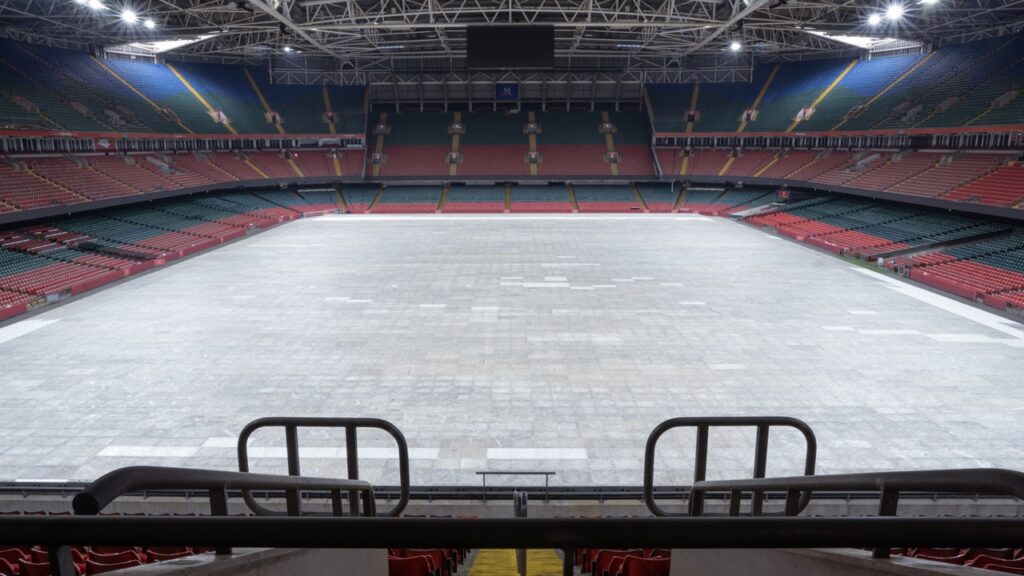
For many years, stadiums saw surface protection as a logistical detail arranged only when needed, at the last minute, to prevent visible pitch damage during events.
But the role of surface protection has changed.
As stadiums host even more diverse events, the condition of the playing surface has become a key concern. Concerts, festivals and large-scale events exert heavy pressure on the turf, for which it was not designed. If this is not managed correctly, this could result in damage to the pitch and a slow return to match play.
For this reason, stadium surface protection is now seen as more than just a temporary add-on and has become part of the venue’s strategic infrastructure.
How reliable a protection system is can affect whether events get approved, how venues plan their schedules, and how they manage risks throughout the business.
Table of Contents
- When surface protection was an operational detail
- Why protection needs to be considered earlier
- How protection systems influence event approval
- The link between surface protection and scheduling confidence
- Why protection systems now affect governance and risk decisions
- Summary
- FAQs
When surface protection was an operational detail
Previously, if an event required access to the pitch, temporary flooring would be installed to cover the turf as a simple solution to prevent visible damage.
Event organisers focused first on staging, production requirements, ticketing and logistics. Surface protection was then arranged as a final step before installation began.
The temporary flooring system’s success was judged by what happened during the event; if the stage was supported and the audience could stand comfortably, it was considered to have done its job.
When the flooring was removed, and no visible damage was found, the surface was deemed acceptable. However, the detrimental effects developing beneath the turf remained unseen.
Why protection needs to be considered earlier
Many venues are now expected to schedule multiple large-scale events across a season, and they must fit around sporting fixtures, broadcast commitments and maintenance periods.
This highlights the importance of recovery times. If a surface does not recover quickly enough after a concert, it can affect the next scheduled fixture or limit access to the pitch for training and preparation. Protection decisions need to be considered much earlier in event planning.
Venue operators, grounds teams and commercial managers increasingly evaluate how an event will affect the surface before confirming dates. Reliable turf protection for events becomes part of the conversation much earlier, alongside staging plans and production schedules. This reduces the risk of unexpected recovery issues that could disrupt future events.
How protection systems influence event approval
Event approval now involves several departments working together: commercial teams evaluating financial opportunity, operations teams assessing logistical feasibility, and grounds teams reviewing the potential impact on the playing surface.
If a venue has confidence that its turf protection system can protect the turf and maintain rootzone stability, approving an event becomes much easier. Recovery timelines are predictable, and the risk of long-term damage is reduced.
Unreliable protection systems create uncertainty in the decision-making process. Additional events are unlikely to be approved by grounds teams if they lack reassurance about the turf recovery timeline. Another consideration is the reputational risk from visible turf damage.
The link between surface protection and scheduling confidence
More events mean increased revenue and stronger relationships with promoters, but also reduce the recovery time between productions. As a result, one of the biggest challenges for stadium operators is how densely events can be scheduled.
Unpredictable recovery times create larger gaps between events to protect the playing surface.
This cautious approach limits utilisation.
When venues use a trusted stadium protection system, turf stress is minimised, the rootzone is protected, and events can be scheduled closer together with confidence. Predictable recovery ensures the venue can maintain a busy calendar without compromising the integrity of the pitch.
Why protection systems now affect governance and risk decisions
As stadium operations get more complex, protection systems are included in wider governance and risk planning.
Visible damage to the surface can have many effects. It might impact athlete safety, draw negative media coverage, or cause problems with teams and governing bodies.
Insurance issues can also arise if damage disrupts scheduled games.
For this reason, venue leaders need to assess risks before approving large events on the pitch.
Terraplas’ market-leading turf protection systems lower these risks by keeping the root zone safe and maintaining turf health under heavy-event setups. When recovery is predictable, venues can show they have taken steps to protect their main sporting asset.
This helps support defensible decision-making across commercial, operational, and governance teams.
An essential part of modern infrastructure
Surface protection in stadiums has quietly changed over time.
What used to be a simple operational task is now an essential part of modern venue infrastructure.
As stadiums host a wider range of events to generate year-round revenue, keeping the playing surface in good condition becomes even more important.
Reliable surface protection helps keep the pitch healthy while allowing venues to host big events.
Because of these changes, the question venues ask has shifted from:
“Do we need surface protection?”
to
“How reliable is our protection system when the venue is under real pressure?”
FAQs
What is stadium surface protection?
Stadium surface protection refers to flooring systems designed to protect natural or hybrid turf during concerts, exhibitions, and other large events held on the pitch.
Why has surface protection become more important for stadiums?
As venues host more events throughout the year, protecting the playing surface has become essential to maintaining pitch quality and supporting frequent event scheduling.
How do stadium flooring systems protect turf?
These systems distribute loads evenly across the surface and allow airflow beneath the panels, reducing soil compaction and helping preserve turf health.
Why is surface protection considered infrastructure?
Because it supports the long-term usability of the pitch and allows venues to host events without damaging the surface, it is critical for sustainable stadium operations.
Can surface protection influence event approval?
Yes. Venue operators often evaluate the reliability of their protection systems before approving events on the playing surface.
MORE OF OUR LATEST NEWS

At first glance, a surface protection system might seem to have done its job: th...
Whether approving new events, expanding concert programmes, or increasing non-ma...
A successful concert, exhibition or sporting fixture is remembered for the atmos...